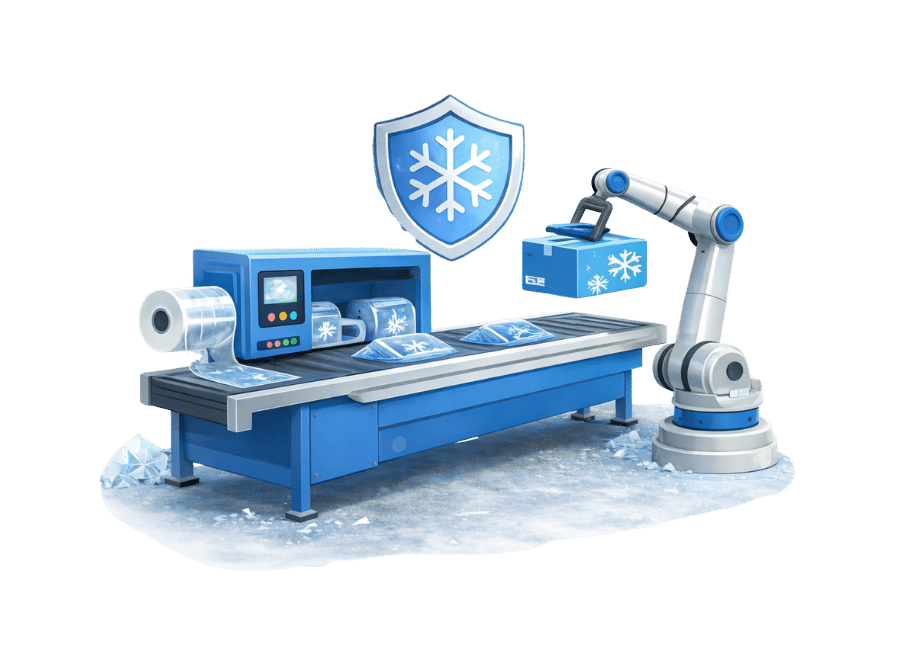
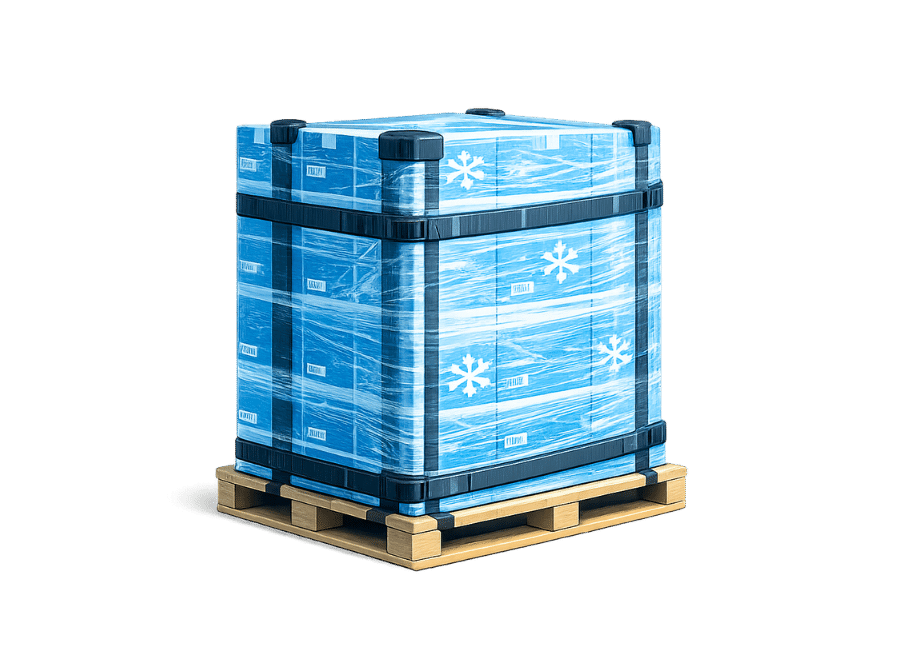
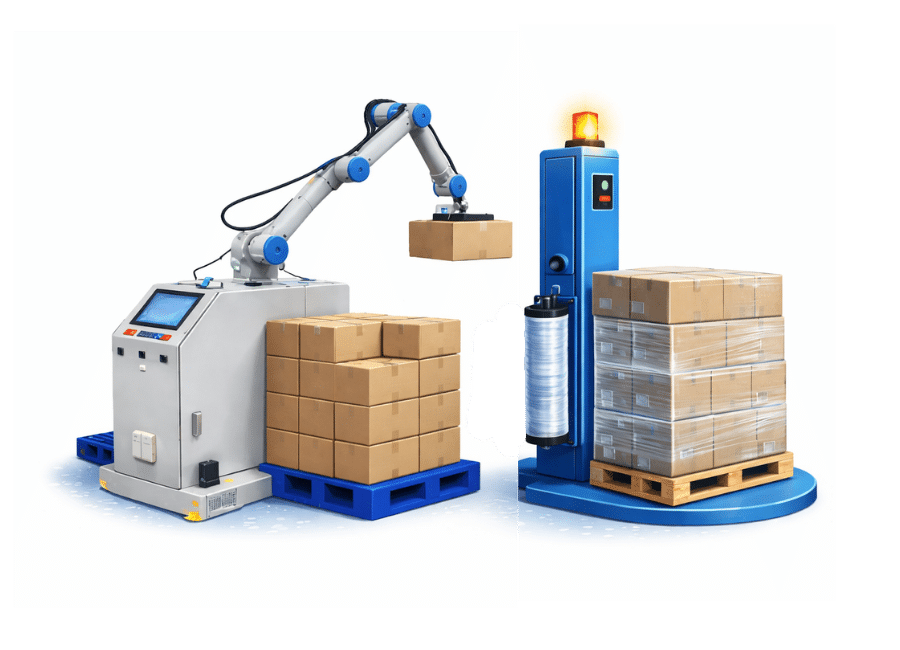
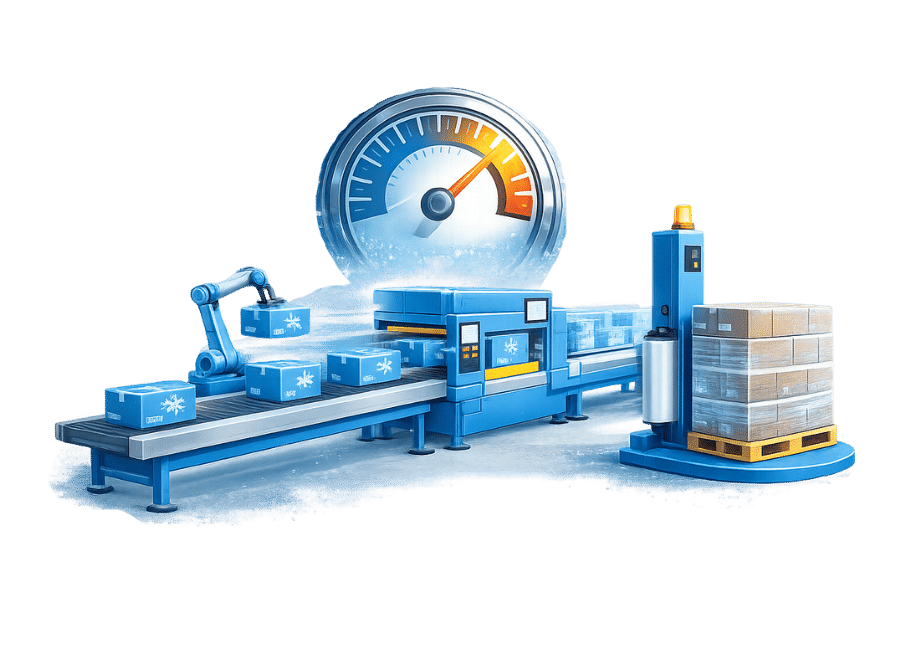


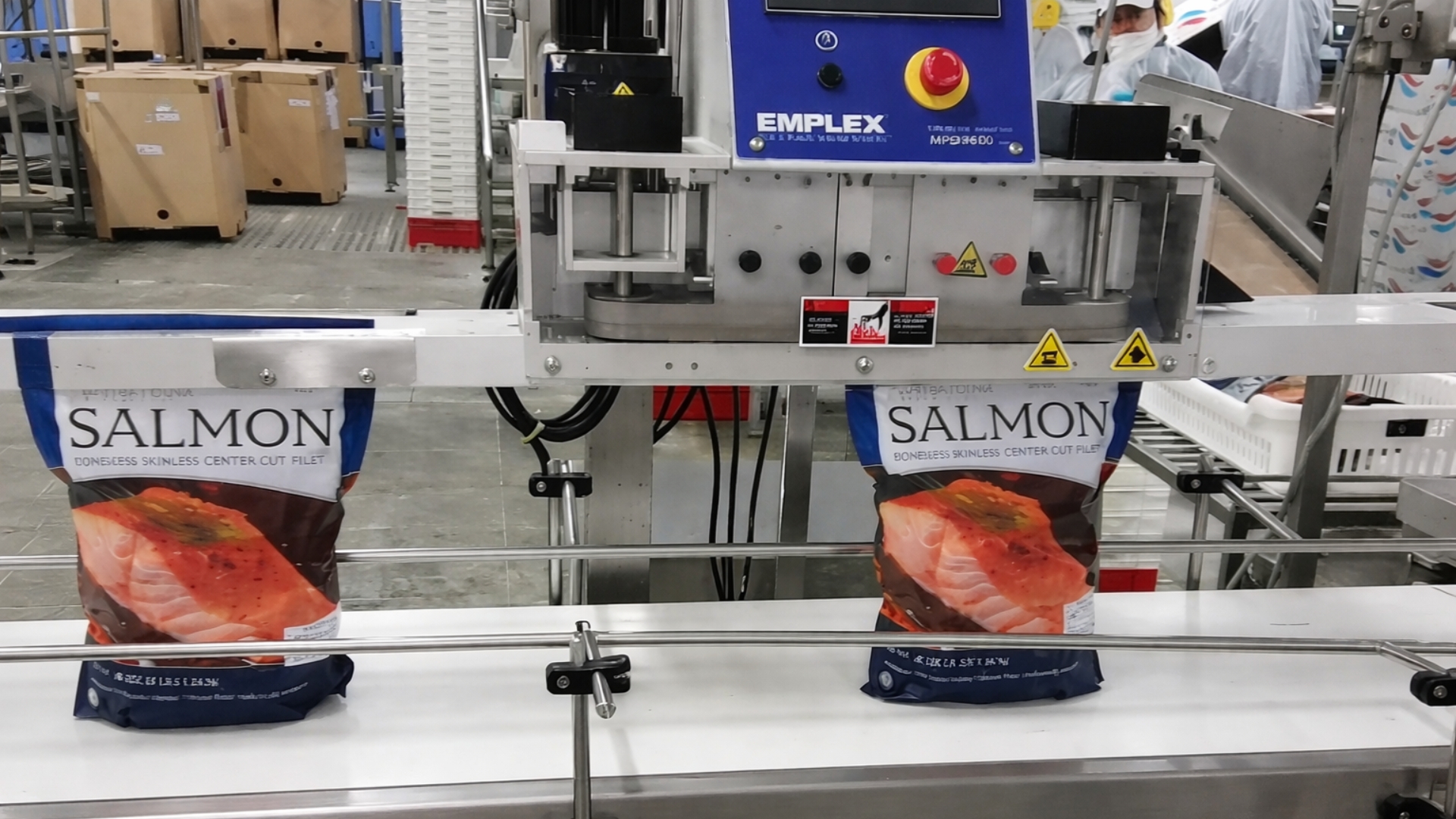






Packaging frozen foods isn’t just about containment, it’s about protecting product quality through freezing, condensation, transport, and cold-store distribution. Impak Packaging focuses on rugged, high-performance equipment and tailored materials that keep frozen lines running smoothly, reduce damage, and deliver retail-ready pallets.
Whether you’re packaging pizza, vegetables, seafood, meals, or desserts, Impak helps you select, integrate, and fine-tune the right combination of machinery and materials for your operation.
416-299-0960
Cold-Chain Engineered Automation
Packaging systems built to run reliably in low-temperature, high-moisture production environments.
Stronger Load
Stability
Integrated containment solutions that prevent pallet shift, crushed cartons, and freight damage.
Maximum Line Throughput
High-speed equipment that maintains consistent seals, case quality, and pallet builds without bottlenecks.
End-to-End Line Integration
Seamless coordination from primary wrapping to palletizing for efficient, scalable frozen operations.
Equip your frozen food line with packaging machinery designed to perform reliably in cold, wet, and high-throughput environments. The right automation improves speed, consistency, and product protection — even during blast freezing and long storage cycles — with food-grade belt options available where required to support hygienic, food-safe operation.
Flow Wrappers
Continuous horizontal wrappers optimized for frozen product formats. These systems deliver airtight primary packaging that prevents moisture loss and freezer burn while maintaining presentation quality.
Best For:
✓ Burgers
✓ Chicken breasts
✓ Chicken fillets
✓ Fish fillets
✓ Salmon portions
✓ Burritos
✓ Taquitos
✓ Egg rolls
✓ Breakfast sandwiches
✓ Ice cream sandwiches
✓ Popsicles
✓ Frozen pizzas
Shrink Wrappers
Bundle and stabilize multi-packs for retail freezer shelving. Shrink wrappers deliver tight, uniform packs that handle condensation, cold storage, and freight without film failures.
Best For:
✓ Frozen waffles
✓ Pancakes
✓ French toast sticks
✓ Ice cream tubs
✓ Frozen garlic bread
✓ Frozen pastry boxes
✓ Frozen pizzas
✓ Lasagna
✓ Pies
✓ Pastries
✓ Frozen meats
✓ Fruit
Carton Erectors
Automated case forming systems that consistently square and erect corrugated cartons in cold and moisture-prone environments — delivering reliable case integrity before packing and palletizing.
Best For:
✓ Pizza cartons
✓ Vegetable bags
✓ Shrimp bags
✓ Fish fillet bags
✓ Fries
✓ Tv dinners
✓ Cake cartons
✓ Ice cream cartons
✓ Frozen meal trays
✓ Lasagna trays
✓ Pizza pops
✓ Stir fry meals
Pallet Wrappers
Automatic stretch wrapping systems engineered to secure heavy frozen pallets with consistent containment force — even in cold-chain and high-humidity environments.
Best For:
✓ Pizza cartons
✓ Pie cartons
✓ Fruit cases
✓ Vegetable cartons
✓ Seafood cartons
✓ Ready-made meals
✓ Ice cream cartons
✓ Bakery products
✓ Fruit
✓ Cakes
Palletizers
High-performance palletizing systems designed to build consistent, stable loads of frozen cases at production speeds — improving stacking precision and end-of-line efficiency.
Best For:
✓ Lasagna
✓ Mac and cheese
✓ Microwave dinners
✓ Frozen pizzas
✓ Burgers
✓ Fish sticks
✓ Fruit
✓ Frozen meal trays
✓ Mozzarella sticks
✓ Desserts
Strapping Systems
Automatic and semi-automatic strapping machines engineered to reinforce heavy frozen case loads — adding structural stability for storage, handling, and long-haul distribution.
Best For:
✓ Seafood cartons
✓ Shrimp cartons
✓ Pizza cartons
✓ Lasagna trays
✓ Meat packs
✓ Vegetables
✓ Pies
✓ Desserts
Case Packers
Automatic case packing systems engineered for frozen food production — reliably loading products into corrugated cases while maintaining alignment, speed, and consistency in cold and moisture-prone environments.
Best For:
✓ Lasagna trays
✓ Mac and cheese
✓ Meal kits
✓ Ice cream cartons
✓ Ice cream cartons
✓ Fruit bags
✓ Vegetable bags
✓ Snack foods
Band Sealers
Continuous band sealing systems engineered to create airtight, tamper-evident seals on frozen food bags and pouches — ensuring product integrity from cold storage to distribution.
Best For:
✓ Steak
✓ Chicken
✓ Fish fillet
✓ Fruits
✓ Vegetables
✓ French fries
✓ Dumplings
✓ Onion Rings
✓ Chicken wings
✓ Pierogies
Printers & Coders
Industrial coding systems designed for cold-chain environments — applying clear, durable lot, date, and traceability information on frozen packaging despite condensation and low temperatures.
Best For:
✓ Frozen meals
✓ Pizzas
✓ Vegetables bags
✓ Fruit bags
✓ Meats
✓ Seafood bags
✓ Pies
✓ Cake
✓ Lasagna
✓ Burgers
Conveyors
Heavy-duty conveyor and accumulation systems engineered for reliable movement of frozen products through wrapping, packing, and palletizing stages.
Best For:
✓ Meats
✓ Seafood
✓ vegetables
✓ Fruits
✓ Ice
✓ Ready-made meals
✓ Desserts
✓ Pies
✓ Cake
✓ Lasagna
✓ Burgers
✓ Pizza
Impak Packaging helps frozen food producers stabilize loads, protect packs, and keep lines running. We’ll review your process and recommend the right mix of freezer-grade films, moisture-resistant sealing solutions, cold-chain corrugate, containment systems, pallet reinforcement, and automation—reducing damage from condensation, preventing seal failures, and improving consistency from packaging to distribution.
Tell us about your products, line speed, and distribution needs—our team will follow up with recommendations.
The right equipment means nothing without the right materials. In frozen food production, packaging materials must withstand freezing, condensation, stacking pressure, and long distribution cycles without compromising product integrity, while also supporting compliance with CFIA regulations for food safety, labelling, and traceability.
Flow Wrap Films
High-performance films that protect frozen products from moisture loss and frost while maintaining strong seals at high speeds.
Durable shrink films engineered to create tight, stable retail-ready bundles that withstand cold storage, handling, and freight movement.
Corrugated Boxes
Cold-chain rated corrugate designed to maintain compression strength despite humidity, freezing, and thaw cycles.
High-performance stretch films formulated to maintain containment force in low temperatures where standard films lose elasticity.
Angleboard & Edge Protection
Rigid corner and vertical load reinforcement designed to strengthen palletized frozen shipments.
Cold-Chain Tapes (WAT & Freezer-Grade)
Adhesive systems engineered for low-temperature environments where standard tapes fail.
We design fully integrated packaging systems that work together to increase throughput, reduce downtime, and deliver measurable ROI across your entire production line.
Impak connects flow wrappers, case packers, palletizers, and load containment systems into one seamless line — minimizing bottlenecks and maximizing end-of-line efficiency.
Our equipment is selected and configured for throughput, uptime, and long-term reliability. We focus on measurable results: faster cycle times, stronger loads, and reduced operational waste.
From equipment selection to installation, training, and service, we provide ongoing technical support to keep your packaging line running at peak performance.
Just give us a call or send us a message with the form below. One of our customer service representatives would be happy to help you with whatever you need.
110A Iron St.
Etobicoke, Ontario
M9W 5L9
Phone: 416-299-0960
Fax: 416-299-0961
Email: info@impakpackaging.com
Do you feel that you are spending more on stretch film and labour than you should be? Our automated form below can help you uncover how much you could save by switching to machine film. In just a few quick steps, you’ll see whether your operation has reached the tipping point where automation makes financial and operational sense.
Note: These figures are based on optimal hand wrapping conditions. In real operations, film waste is often higher due to inconsistent tension, overlapping, and operator variability, meaning your actual savings from switching to machine wrap could be even greater.

Answer a few quick questions about your current hand-wrap process. We’ll estimate weekly savings, payback period, and a general recommendation. You can save a PDF of your results.


Reduced
Film Usage
Pre-stretch up to 300% allows you to use less material per load without sacrificing performance.

Consistent Load Containment
Delivers uniform tension and wrap patterns to prevent load shifting and product damage.

Lower
Labour Costs
Reduces manual wrapping time and operator involvement, freeing staff for other tasks.

Improved
Operator Safety
Reduce operators’ strain and injuries by removing the need to walk around pallets.
Learn how to cut film usage, increase throughput, and improve load security. Available to Canadian companies.

Experience the quality yourself—optimize load security while reducing film usage.
Many assume that using more film means better containment. But in reality, piling on extra layers often leads to waste, higher costs, and little improvement in load stability.
At Impak, we have a team of experts who can conduct stretch wrap audits with cut & weigh tests, tilt and vibration tests, and more, to help you optimize your stretch wrapping operations.
In this case study, we will go over how we optimized a customer’s stretch wrapping operations with the AXIS Lean 80 Gauge Stretch wrap, in turn reducing their total stretch film usage by 68%, while improving containment strength, lowering costs, and future-proofing their stretch wrapping operations.

We needed to find a way to optimize their stretch wrapping operations, from the type of stretch wrap they should use to and any additional materials needed.

Excessive amount of film, cardboard top sleeve does not match the contour of the product beneath it.

Tearing and punctures appear to be from handling and transit, primarily forklift damage and abrasion damage from an external source (another skid).

Product appears to be undamaged from the transit to our facility. However, there appears to be some load shift of the smaller coils stacked at the top of the load.

Punctures appear to be from both handling damage and from the current film being stretched over sharp corners. All 4 corners had film punctures.

Punctures at the corners of the pallet are likely due to the dramatic inboard distance from the pallet corner to the product.

The difference between the forklift puncture and the corner puncture are visible here. One did not cause the other.
To start, we needed to know all we could about the load containment so that we could provide a solution. That meant measuring the weight of the pallet overall, and each section of the pallet, as well as the cut & weigh.
A cut & weigh test measures exactly how much film is being used to wrap a load. When a pallet is wrapped, a section of the film is cut off and weighed, which reveals the true film consumption in ounces. These tests are used to identify waste and to set a baseline for improvement.
|
|
||||||||||||||||||||||||
The next step was a tilt and vibration test to see how both pallets would currently hold up in transport. The current methods of stretch wrapping proved to be insufficient. Both pallet tests resulted in containment failure. If the load had been exposed to any additional forces, damage to the product was certain, and the potential for injury may have been possible.
|
Pallet 1
|
Pallet 2
|
Axis Lean 80 GaugeAnti-Slip SheetsStrappingOptimized Wrap Pattern
|
To start, we needed to know all we could about the load containment so that we could provide a solution. That meant measuring the weight of the pallet overall, and each section of the pallet, as well as the cut & weigh.
A cut & weigh test measures exactly how much film is being used to wrap a load. When a pallet is wrapped, a section of the film is cut off and weighed, which reveals the true film consumption in ounces. These tests are used to identify waste and to set a baseline for improvement.
| Pallet 1 – SPECIFICATIONS | |
|---|---|
| Gross Pallet Weight | 1436 lbs |
| Top | 4.62 lbs |
| Middle | 14.88 lbs |
| Bottom | 9.25 lbs |
| Cut & Weigh | 25.07 oz |
| Pallet 2 – SPECIFICATIONS | |
|---|---|
| Gross Pallet Weight | 1226 lbs |
| Turntable Speed | 7.25 lbs |
| Turntable Size | N/A |
| Weight Requirements | 5.10 lbs |
| Maximum Load Size | 7.7 oz |
The next step was a tilt and vibration test to see how both pallets would currently hold up in transport. The current methods of stretch wrapping proved to be insufficient. Both pallet tests resulted in containment failure. If the load had been exposed to any additional forces, damage to the product was certain, and the potential for injury may have been possible.
|
Our team of experts reviewed our lineup of stretch wrap and decided that the best course of action was to switch the customer’s current conventional 80 gauge stretch wrap to our
We also added to both pallets anti-slip sheets to inhibit movement, strapping to unitize the load, and optimized the wrap patterns for consistency and efficiency. |
The final stage of our stretch wrap optimization was to validate the improved setup in real-world conditions.
We rewrapped both pallets using AXIS 80 Gauge high-performance film, added the strapping, and anti-slip sheets to stabilize the loads.
Since the customer used a Wulftec SML-150 Turntable Pallet Wrapper, we replicated their setup in our warehouse. With the same machine on-site, our team performed multiple in-house test wraps to ensure the updated process delivered consistent, failure-free results.
After numerous tests, we visited the customer’s warehouse to have them try out this new stretch wrapping process on their machine, and it performed flawlessly. The results were consistent, stable, and fully aligned with their operational needs.
Pallet 1 Comparison
Gross Weight: 1,436 lbs| Metric | Before | After |
|---|---|---|
| Top Containment (lbs) | 4.62 | 15.5 |
| Middle Containment (lbs) | 14.88 | 15.6 |
| Bottom Containment (lbs) | 9.25 | 9.00 |
| Cut & Weigh (oz) | 25.7 | 4.1–4.4 |
Pallet 2 Comparison
Gross Weight: 1,226 lbs| Metric | Before | After |
|---|---|---|
| Top Containment (lbs) | 7.25 | 20.15 |
| Middle Containment (lbs) | — | — |
| Bottom Containment (lbs) | 5.10 | 10.50 |
| Cut & Weigh (oz) | 7.7 | 3.7–3.9 |
Film consumption dropped significantly on both loads, Pallet 1 was reduced by over 84% (from 25.7 oz to just over 4 oz), while Pallet 2 saw a 52% reduction (from 7.7 oz to 3.9 oz). In turn reducing their overall film usage by 68%.
By adding strapping, anti-slip sheets, and custom top sheets, internal shifting and product separation were completely eliminated. As a result, both pallets moved from being classified as unstable (C-load) to fully secure and transport-ready.
Containment strength increased by 247% on Pallet 1 and by 30% on Pallet 2, despite both using dramatically less film than before. Not only were the loads more stable, but the improvements were achieved without added material, labour, or equipment changes.
The optimized wrap process eliminated film tearing, corner punctures, and shifting altogether. The loads remained fully intact with no sliding or separation, reducing damage risk, improving safety, and ensuring more reliable pallet transport.
Just give us a call or send us a message with the form below. One of our customer service representatives would be happy to help you with whatever you need.
110A Iron St.
Etobicoke, Ontario
M9W 5L9
Phone: 416-299-0960
Fax: 416-299-0961
Email: info@impakpackaging.com
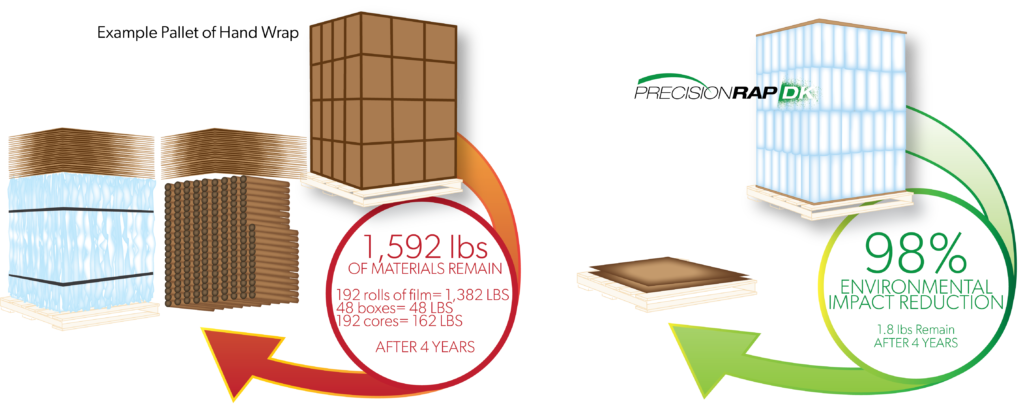
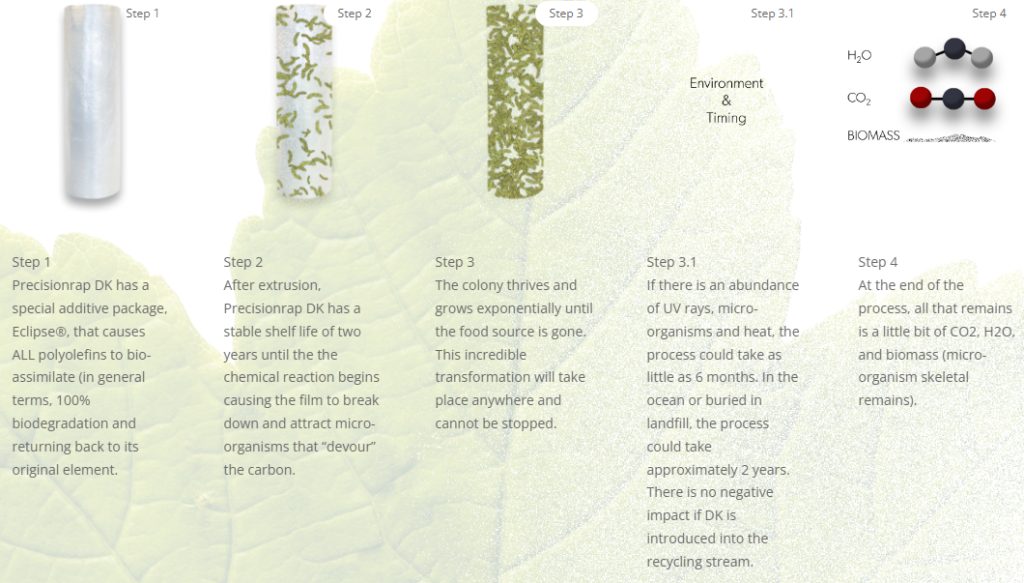
Traditional plastic stretch films, although recyclable, often end up in landfills. This concern has spurred the development of biodegradable stretch films like Precisionrap DK.
If your business is trying to become more sustainable, the chances are you’ll have discussed how you can make your packaging fit in with this. Among various packaging solutions, biodegradable stretch films have emerged as a promising solution to address environmental concerns associated with conventional plastics. This article delves into Precisionrap DK stretch wrap, a biodegradable alternative that offers both performance and eco-consciousness.
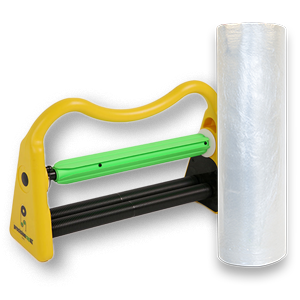

Precisionrap DK stretch wrap is a cutting-edge packaging solution designed to cater to the needs of both businesses and the environment. It shares many characteristics with traditional stretch films, such as excellent load stability, protection against moisture and dust, and ease of application. For example, the total film stretches of 285% with a hand application.
However, its key differentiator lies in its biodegradability. It takes a few years to decay, not decades. This can help company’s sustainability goals without a hassle of recycling, while the pricing is same as other Precision product.
Benefits of Precisionrap DK Stretch Wrap

Precisionrap has a two-part handheld dispenser, which allows ergonomic stretch wrap usage. Aside from less intensity of labour, Precisionrap also offers several key advantages over traditional hand pallet wrapping techniques:
Film Efficiency: Precisionrap consumes less film by weight compared to traditional methods. Based on a cut and weigh test by rewrapping a pallet with Precisionrap and comparing film weights, customers can reduce their film consumption by a minimum of 35%.
Improved Load Containment: According to the force-to-load measurement, Precisionrap significantly enhances load containment, exerting up to 50% more force on the load to maintain its integrity compared to traditional hand-wrapping techniques.
Faster Wrapping: With Precisionrap, you can wrap a typical load 33% faster than with manual hand wrapping. Precisionrap streamlines the process without compromising on wrapping quality.
Consistent Containment: Precisionrap ensures consistency and containment with its snapback test. This test measures the film’s ability to recover to its pre-applied length after being cut vertically. Precisionrap consistently achieves greater and more consistent snapback and load containment compared to traditional hand-wrapped pallets, regardless of the operator.
110A Iron St.
Etobicoke, Ontario
M9W 5L9
Phone: 416-299-0960
Fax: 416-299-0961
Email: info@impakpackaging.com
Stretch wrapping is a technique used throughout the packaging industry to secure products to a skid and provide extra protection while in transport. This technique is particularly useful while shipping several boxes or products on a skid. Pallet Wrapping will ensure that your products are safe, stabilized and secure so they reach your customer without being damaged or tampered. This article aims to give you a clear understanding of how stretch wrapping works and how it is implemented. You need to follow certain steps so that you stretch wrap your products properly preventing them from getting damaged during the shipping process.
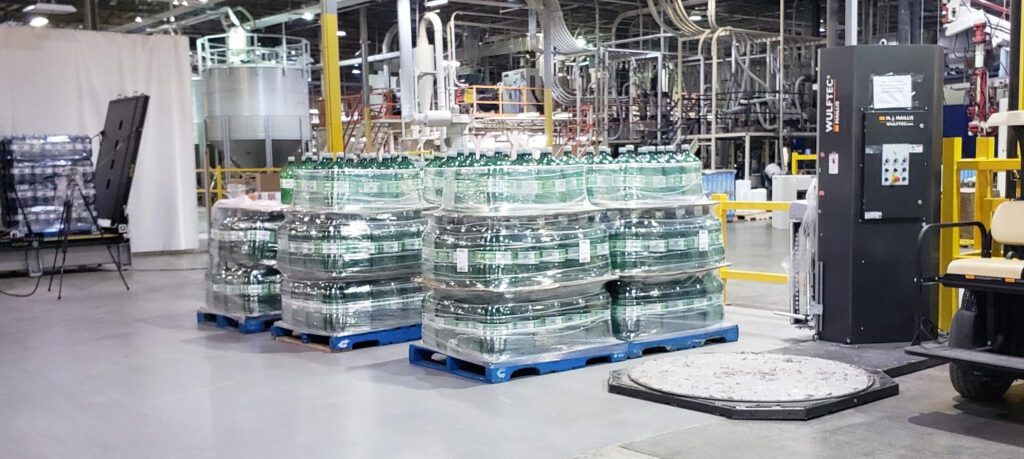
Stretch Film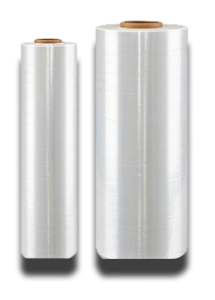 is a highly stretchable plastic film that is used in the stretch wrapping process. This highly stretchable film is wrapped around the boxes while adjusting the tension, wrapping the skid providing a secondary protection. There are two types of stretch film which are commonly used: Machine stretch film and Hand stretch film.
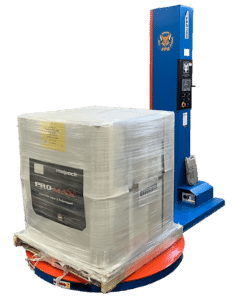 Pallet Wrappers/Stretch Wrappers tightly wrap a loaded skid or a pallet with machine stretch film. A loaded pallet is placed on the turn-table and with the carriage mounted with stretch film, the turntable rotates dispensing film and wrapping the pallet. Pallet Wrappers tightly wrap the pallet making it stable, air-tight and clean. You can also use a hand wrapper to wrap the pallet by hand using hand stretch film.
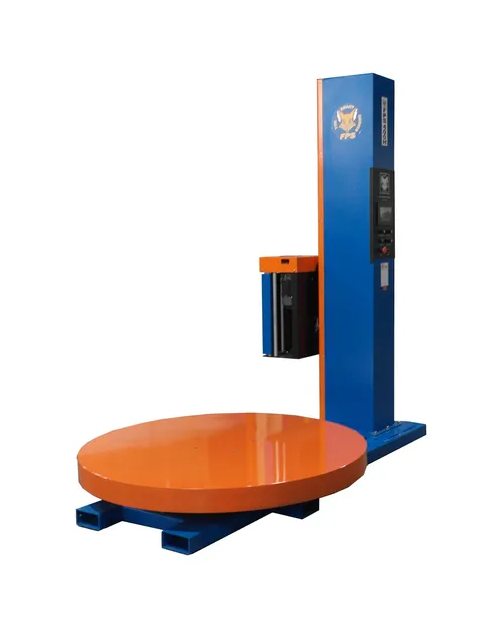
The Turntable Pallet Wrapper is like a spinning plate for pallets. Just like the name sounds, this machine has a turntable on the bottom of the structure that spins. You place the pallet on the rotating platform, and a roll of stretch film is dispended high to low as it turns. You can adjust the tightness and number of wraps as needed. It’s an easy and effective way to protect and contain products during transport.
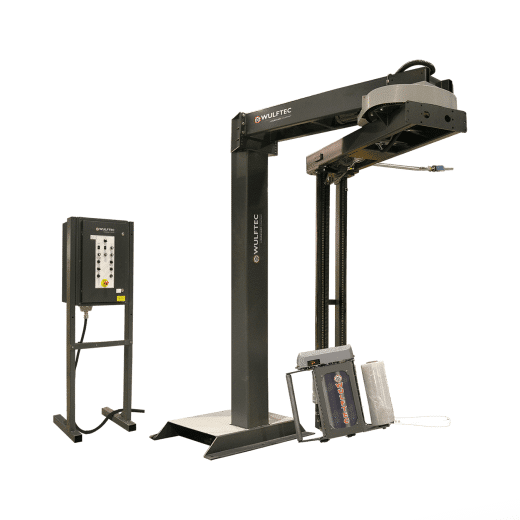
Imagine a big oscillating arm that hugs your pallet with stretch film to ensure containment during transport – that’s the Rotary Arm Pallet Wrapper. The pallet stays still, and the arm moves around the skid, wrapping the film from top to bottom. This method is great for fast and stable wrapping, especially for tricky loads that may wobble.
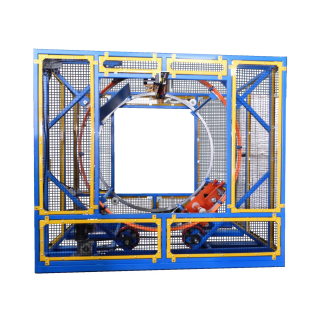
The Orbital Pallet Wrapper is perfect for irregularly shaped loads. Instead of spinning the pallet, it wraps the film around the load horizontally from all sides. This ensures that every part of the load is securely covered, preventing any shifting during shipping. This type of stretch wrapping machine is perfect for long product like furniture and cabinetry.
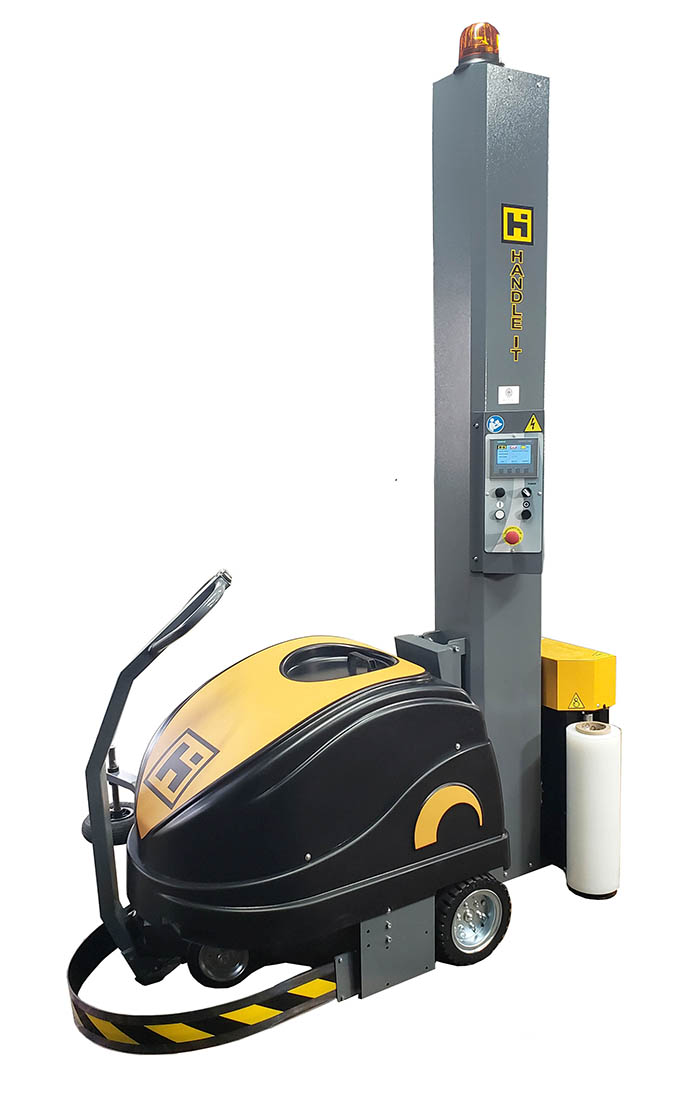
The Mobile Pallet Wrapper is like a compact wrapping machine on wheels. You can take it anywhere in your warehouse, no fixed spot needed. Just place the pallet on the floor, attach the film, and let the machine move around the pallet to wrap it up neatly. It’s convenient, safe and saves time!





The following are the steps to be considered before stretch wrapping a skid using a hand film:
1. Select the right size pallet or skid
Make sure you stack your boxes or products using the right size skid. Using a skid that is too large or too small will result in an insecure and unstable load. The best size is one that is not larger than the products placed on top otherwise the plastic may tear on the sharp pallet corners; yet the pallet has to completely cover the base area of the products you want wrapped or you may have damage to your products in shipping.
2. Stack the base of the skid properly
If you have different size boxes, make sure to place the larger heavier boxes on the pallet first. Make sure not to leave any gaps and occupy as much space as you can to make the base stable and secure.
3. Stack the rest of your boxes on the skid
Properly place the remaining boxes or products on the skid. Make sure that your boxes do not cross the edges of the pallet and placed them as close as possible to each other in order to prevent them from moving after being wrapped. Do not stack your pallet too high as it can destabilize the load by raising the center of gravity. Make sure your skid is in cubical or square shape.
4. Start the Stretch Wrapping Process
Tie the stretch film around the corner of the skid. This will ensure that the film does not come off while wrapping. While holding the hand stretch wrapper, start walking around the skid. Once you reach the corners of the skid, tightly secure and apply tension ensuring it is nice and tight around the load. Always start from the bottom and then go towards the top. It is recommended that you go around the skid at least 5-6 times to ensure stability. Once the wrapping is finished, check the skid thoroughly for sturdiness. If the load is moving and is not stable, you should consider wrapping it again. Once your pallet is stable and sturdy, tear the stretch wrap from the skid and you are done.
If you have a high volume of skids or pallets to wrap, we recommend using a machine pallet wrapper. If you have any questions about stretch wrapping and wrapping equipment, please call us at (416) 299-0960 and a representative will guide you in selecting the right stretch film and equipment for your packaging needs.
110A Iron St.
Etobicoke, Ontario
M9W 5L9
Phone: 416-299-0960
Fax: 416-299-0961
Email: info@impakpackaging.com
In recent years, the growing concern for environmental sustainability has led to significant changes in the packaging industry. One such development is the adoption of downgauging stretch film, a process that involves reducing the thickness of the film while maintaining its performance characteristics. In this article, we will explore the concept of film downgauging, its advantages, and address common concerns about the quality and appearance of the packaging.

Film downgauging refers to the process of reducing the thickness of stretch films used in packaging without compromising their performance. Traditionally, plastic films were thicker to ensure strength, durability, and barrier properties. However, advancements in technology and material science have allowed manufacturers to create thinner films that meet the same quality standards as their thicker counterparts.
Downgauging stretch film offers several benefits, both for businesses and the environment. By reducing the amount of material used in packaging, companies can significantly decrease their carbon footprint and overall waste generation. Thinner films require fewer raw materials during production, resulting in lower energy consumption and greenhouse gas emissions. Moreover, downgauging can lead to cost savings, as less material is required for packaging without compromising on performance.
One of the most common concerns about
downgauging stretch film is whether it will meet the necessary quality
requirements. However, manufacturers have made significant strides in
developing thin films that maintain the necessary toughness, barrier
properties, shelf-life, and resistance to damage during transportation and end
use. Advanced materials and technologies allow for the creation of thinner
films that possess the required strength and durability, ensuring the packaged
products remain intact and protected.
Maintaining the visual appeal of packaged products is essential to brand identity and consumer perception. Fortunately, downgauging plastic film does not necessarily compromise the package’s shelf appearance. With advancements in printing and coating technologies, it is possible to enhance the visual aesthetics of thinner films, ensuring that they still look as good as their thicker counterparts on store shelves. Packaging designers can employ various techniques to maintain branding elements and eye-catching designs, ensuring consumer satisfaction.
Consumers are increasingly conscious of sustainability issues, and many actively seek out products with environmentally friendly packaging. According to The Dow Chemical Co. study conducted in 2011, consumers may notice a change in packaging thickness if given more than a 10% reduction. However, the quality and functionality of the package, as well as the brand’s commitment to sustainability, are often more important factors for consumers. By effectively communicating the sustainability of downgauging, companies can enhance their brand reputation and appeal to environmentally conscious customers.
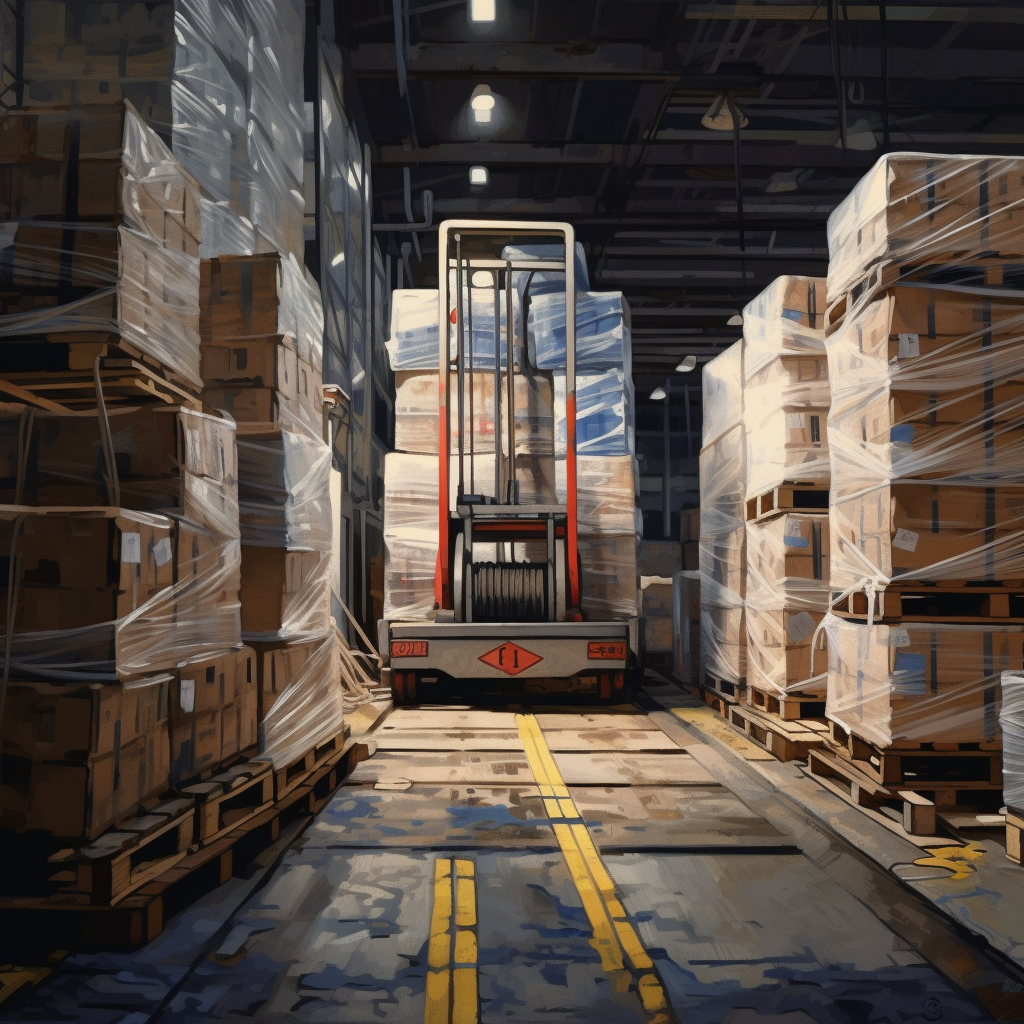
In general, the process of downgauging stretch film for packaging offers a range of benefits, such as reducing the environmental impact and saving costs. As you read through this article, you may consider the option of downgauging your stretch film. By planning how downgauged packages feel to customers and promoting sustainability, it is possible to provide a solution that satisfies brand owners, retailers, and consumers.
Whether you decide to pursue downgauging or explore newer and more innovative stretch films, it is advisable to involve a packaging expert who can assess your packaging operation and help determine the most suitable film for your specific application. You can trust our team of highly experienced packaging specialists who possess a deep understanding of stretch film wrapping and can provide valuable guidance.
110A Iron St.
Etobicoke, Ontario
M9W 5L9
Phone: 416-299-0960
Fax: 416-299-0961
Email: info@impakpackaging.com